How to Save Electricity While Using an Air Conditioner
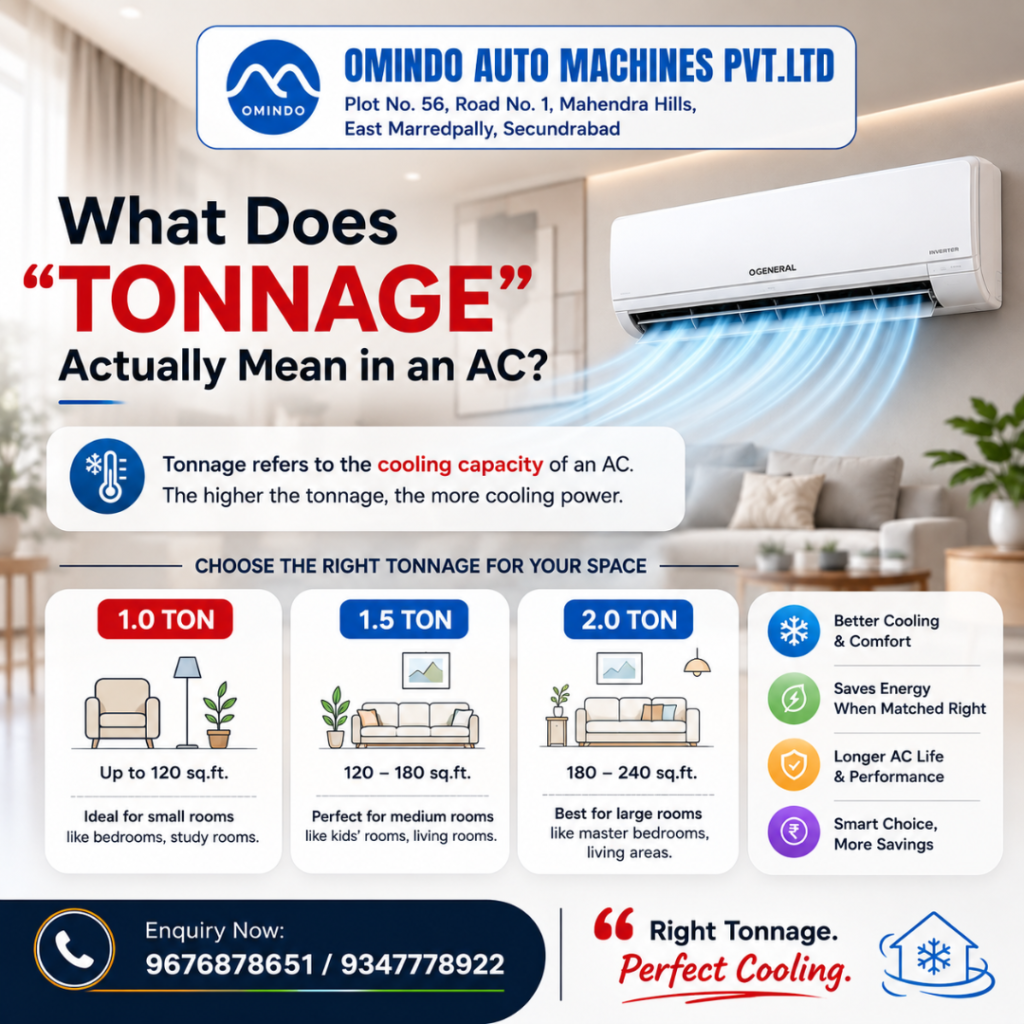
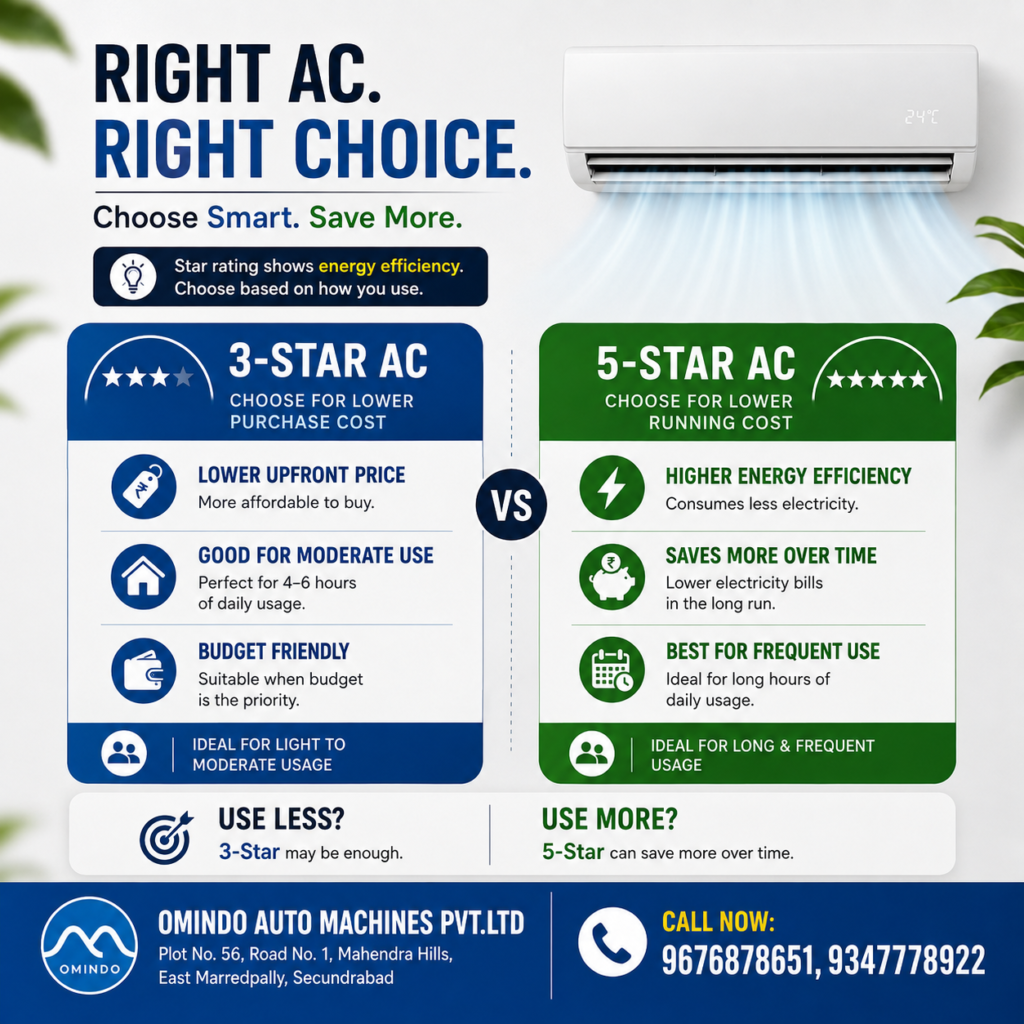
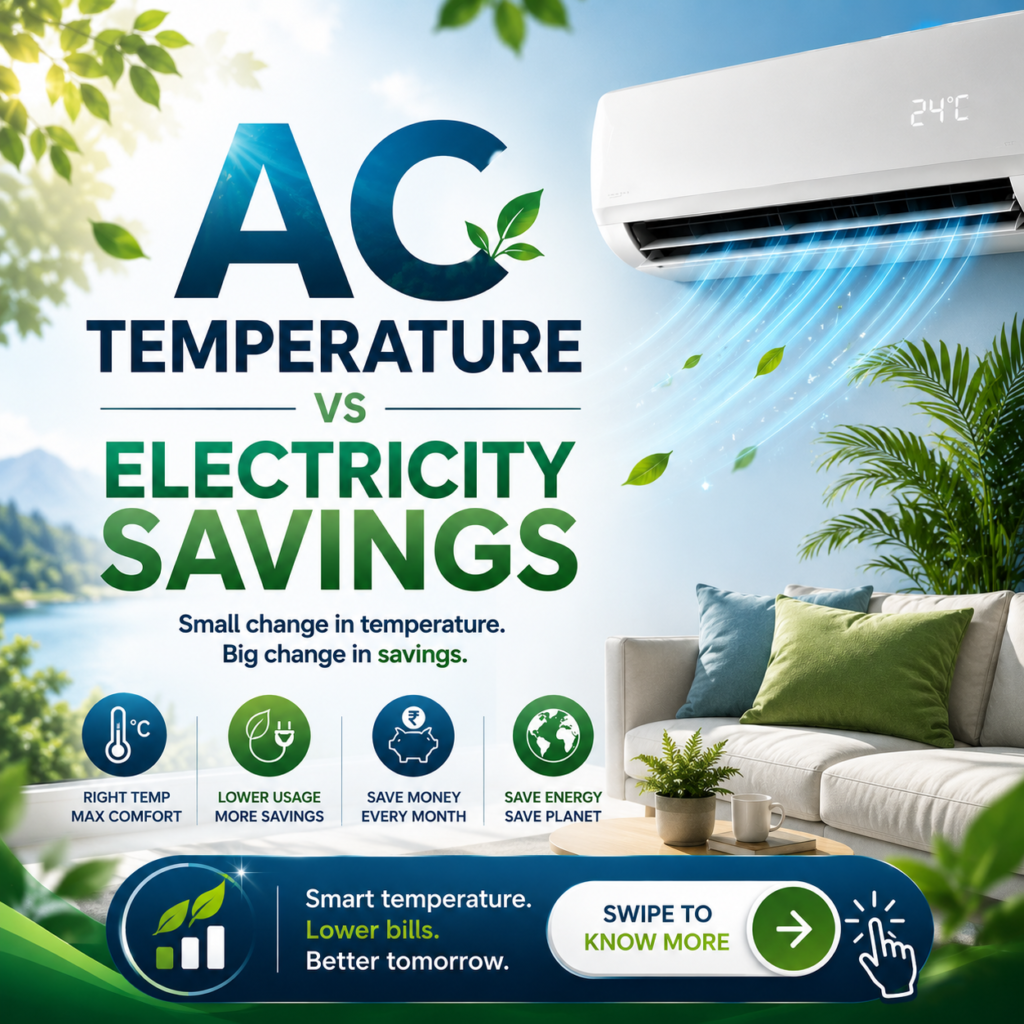
How to Save Electricity While Using an Air Conditioner Using an air conditioner during hot weather can significantly increase household or business electricity consumption, especially when the AC runs for long hours. However, you do not always need to sacrifice comfort to reduce your electricity bill. The right AC temperature setting, operating habits, regular maintenance, and energy-efficient practices can help reduce unnecessary power consumption while keeping your space comfortably cool. If you are wondering how to save electricity while using an air conditioner, the key is to make your AC work efficiently rather than simply running it at the lowest possible temperature. 1. Set Your AC Temperature Around 24–26°C One of the simplest ways to improve AC energy efficiency is to avoid unnecessarily low temperature settings. Many people set their AC to 16°C, 18°C, or 20°C expecting the room to cool faster. However, setting a lower temperature does not necessarily make the AC cool the room faster. Instead, the air conditioner may need to operate for longer to reach the lower target temperature. For normal indoor comfort, a setting around 24–26°C can provide a practical balance between cooling and electricity consumption. The ideal temperature can vary depending on outdoor temperature, humidity, room occupancy, insulation, and individual comfort preferences. The important point is to avoid extreme cooling when it is not necessary. 2. Avoid Setting the AC to 16°C Setting your air conditioner to 16°C does not mean the room will cool twice as quickly compared with 24°C. The AC’s cooling capacity is determined by factors such as its tonnage, compressor capacity, room size, insulation, and outdoor conditions. The thermostat setting mainly determines the temperature the system attempts to maintain. A very low temperature setting can result in longer compressor operation and higher electricity consumption. Instead of immediately selecting the lowest temperature, start around 24–26°C and adjust gradually according to your comfort. 3. Use Sleep Mode at Night If your AC has a Sleep Mode, consider using it while sleeping. Sleep Mode is designed to adjust the cooling operation over time, depending on the model. Many air conditioners gradually modify the temperature or compressor operation during the night. This can provide a more comfortable sleeping environment while potentially reducing unnecessary cooling and electricity consumption. Always check your specific AC’s manual because Sleep Mode functions differ between manufacturers and models. 4. Keep Doors and Windows Closed An AC cannot efficiently cool a room if cooled air is continuously escaping. When the AC is running: Keep doors and windows properly closed. Minimize unnecessary movement between air-conditioned and non-air-conditioned areas. Close gaps around doors and windows where practical. Avoid leaving doors open for long periods. Reducing air leakage helps the AC maintain the desired indoor temperature with less unnecessary cooling effort. 5. Reduce Direct Heat From Sunlight Direct sunlight can significantly increase the heat entering a room. During hot daytime hours, curtains, blinds, shades, or suitable window treatments can help reduce solar heat entering through windows. This is particularly useful for rooms with large windows or windows facing strong afternoon sunlight. Less heat entering the room means the air conditioner has less heat to remove. 6. Clean AC Filters Regularly A dirty air filter can restrict airflow and reduce cooling efficiency. When airflow is restricted, the AC may need to operate for longer periods to provide the desired cooling. Dust accumulation can also affect indoor air quality and overall system performance. Clean the filters at suitable intervals based on usage, indoor dust levels, and the manufacturer’s recommendations. Homes, offices, shops, and commercial spaces with higher dust levels may require more frequent attention. 7. Schedule Regular AC Maintenance AC efficiency is not only about temperature settings. The condition of the entire system matters. Professional AC maintenance and servicing can help identify issues such as: Dirty filters and coils Reduced airflow Blocked drainage Refrigerant-related problems Electrical issues Fan or blower problems Unusual compressor operation Poor cooling performance Regular maintenance can help keep the system operating properly and may prevent small problems from developing into expensive repairs. 8. Choose the Right AC Capacity An incorrectly sized air conditioner can affect both comfort and electricity consumption. An AC that is too small for the room may have to operate for extended periods to reach the desired temperature. An oversized system may cool the space quickly but may not always provide ideal humidity control or efficient operation. Before purchasing an AC, consider: Room size Ceiling height Number of occupants Window area Sun exposure Insulation Floor level Heat-producing appliances Type of space Local climate For commercial areas, offices, retail stores, restaurants, and larger spaces, professional cooling-load assessment can be especially important. 9. Consider an Inverter AC If you use your air conditioner for several hours every day, an inverter AC can be worth considering. Unlike conventional fixed-speed systems that primarily operate by switching the compressor on and off, inverter technology can vary compressor speed according to cooling demand. Once the desired temperature is approached, an inverter AC can modulate its operation rather than continuously operating at full capacity. Actual electricity savings depend on the model, usage pattern, temperature setting, room conditions, installation quality, and outdoor temperature. Therefore, an inverter AC should not be viewed as an automatic guarantee of a specific percentage of savings. 10. Select a Higher Energy-Efficiency Rating When purchasing a new air conditioner, compare its energy-efficiency information rather than looking only at the purchase price. In India, consumers can compare applicable BEE star ratings and efficiency information when selecting an AC. A more efficient AC can be particularly beneficial when the appliance is used for many hours each day. However, remember that the actual electricity bill depends on several factors, including: AC capacity × operating hours × cooling load × efficiency × usage conditions. Therefore, choosing an efficient model and using it correctly should go together. 11. Use Fans Along With the AC A ceiling fan or suitable air circulator can improve the distribution of cool air throughout a room. Because moving air can improve
How to Save Electricity While Using an Air Conditioner Read More »